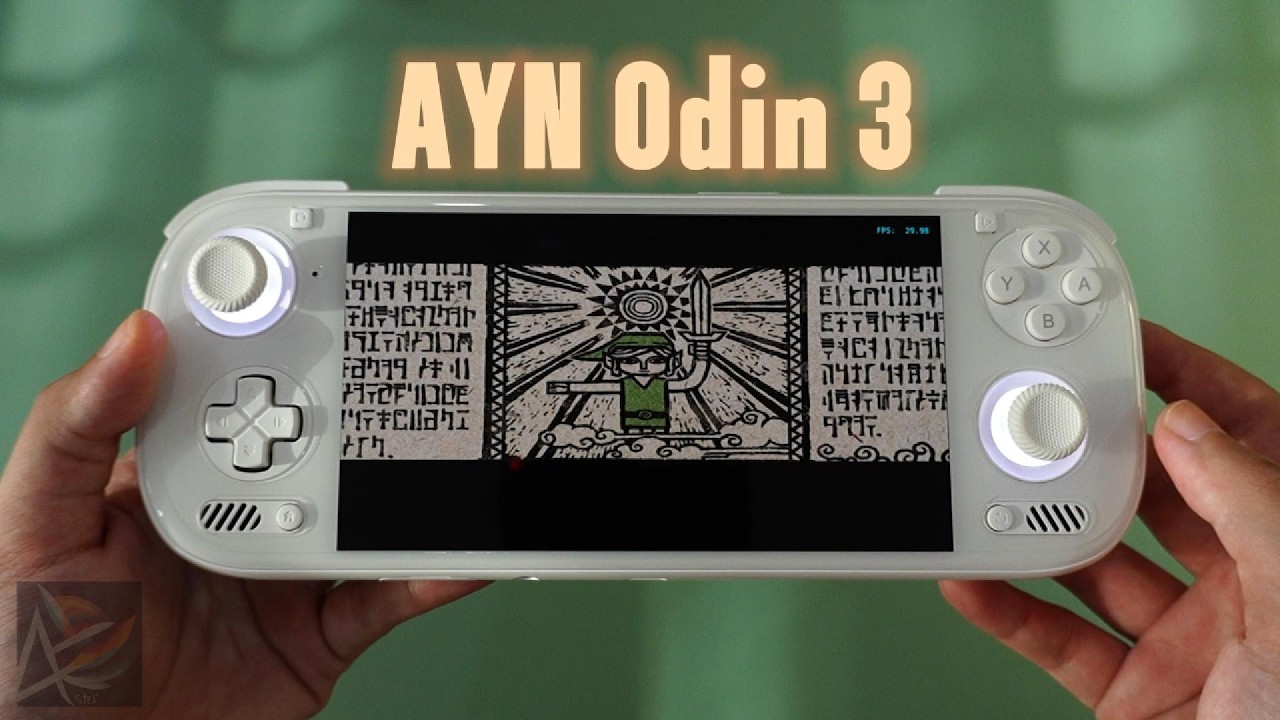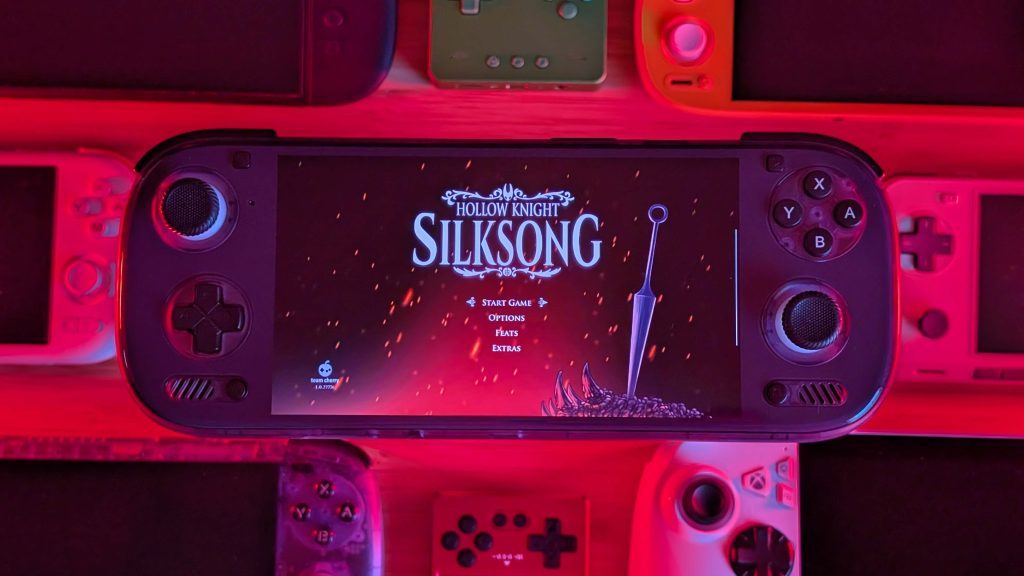
The handheld gaming market has always moved at a breakneck pace. Just as users were finishing marveling at the Odin 2 series’ dominance in destroying older emulation systems, AYN has poured boiling water on its competitors by launching its successor: the AYN Odin 3.
At the testing benches of Retro Consoles Lab (retroconsoleslab.com), we had the opportunity to get an early hands-on and perform the most brutal hardware torture tests on this device. Far from being a minor spec-bump, the AYN Odin 3 is truly a comprehensive “technological metamorphosis.” This device not only redefines the concept of next-gen handheld gaming but also directly blurs the performance boundaries between mobile ARM chip architecture and bulky x86 PC handhelds.
A Leap in Performance: How Monster Is the Next-Gen Processor?
The heart of the AYN Odin 3 is the latest fabrication-process processor of 2026, delivering a massive architectural leap compared to the aging Snapdragon 8 Gen 2 chipset found in the Odin 2.
Raw Power and Advanced Emulation
The Odin 2 did an excellent job with basic PS2 and Switch emulation. However, when faced with Windows emulators (Winlator, Box64) to “carry” AAA PC games or complex console systems like the PS3 and Xbox 360, the Odin 2 began to clearly show its limitations in bandwidth and graphics architecture.
The Odin 3 completely solves this puzzle. The new processor features next-generation graphics processing units (GPUs) that support specialized hardware-accelerated Ray Tracing and Mesh Shading. In raw performance tests at our lab, the Odin 3’s single-core processing performance increased by 40%, multi-core performance shot up by 55%, and graphics processing capability (GPU) witnessed a staggering growth of up to 70% compared to its predecessor.
Real-World Experience vs. Odin 2
With the Nintendo Switch: On the Odin 2, titles like The Legend of Zelda: Tears of the Kingdom required resolution-lowering mods to maintain a 30–45 FPS baseline. On the Odin 3, the machine easily swallows this game at 2x Native (Full HD) resolution, maintaining a smooth 60 FPS without needing to install any complex system-tweak files.
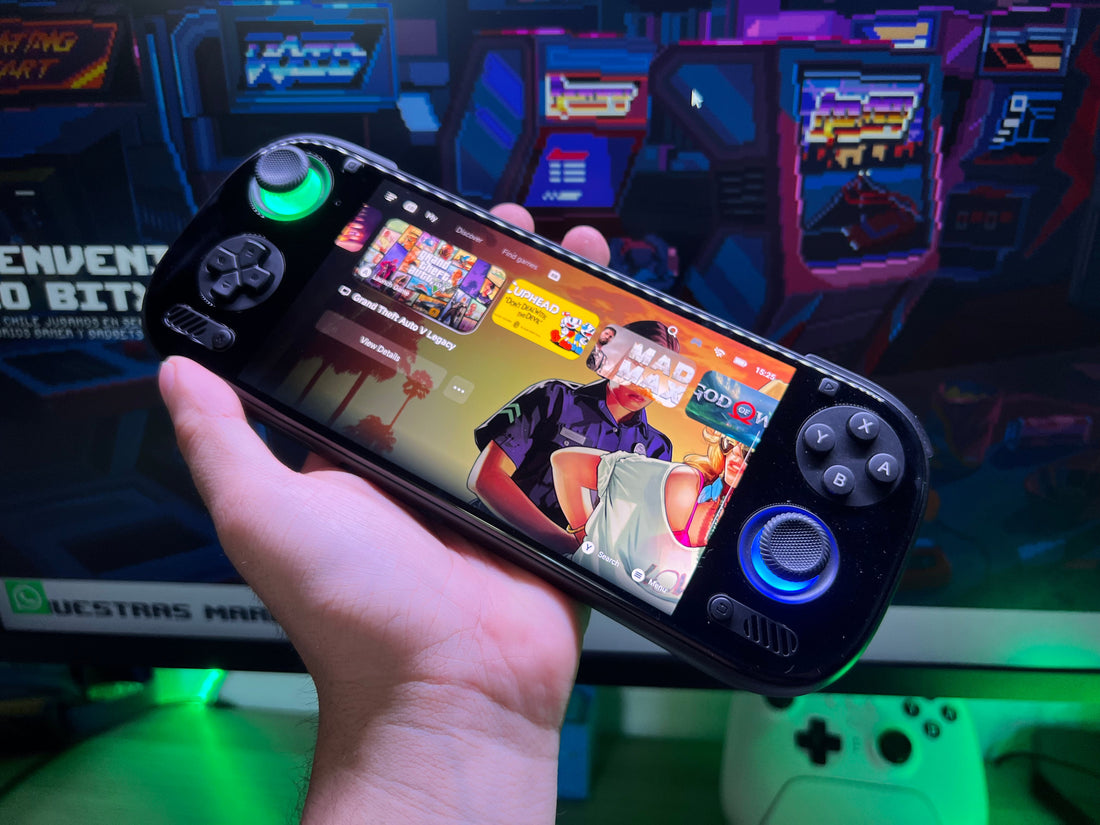
With AAA PC and PS3 Emulation: This is where the Odin 2 had to wave the white flag or run at a stuttering 20–25 FPS. The Odin 3 completely turns the tables, running GTA V (PC) on High Settings at 720p with a frame rate consistently fluctuating between 60 – 75 FPS. For the notoriously difficult fortress that is God of War III (PS3), the device locks tightly at 60 FPS across most major combat sequences.
The Power Equation: Performance Surges, But Does Battery Life Plunget?
An immutable law of technology is that higher performance consumes more power. Yet, AYN has proven the exact opposite with the Odin 3, thanks to optimizing the latest, state-of-the-art semiconductor fabrication process (an advanced 3nm process).
Real-World Battery Comparison Between Odin 3 and Odin 2
We set both machines to the same screen brightness level (70%) and emulated a heavy title under identical lab conditions:
Under Maximum Emulation Load (Max Performance Mode): The Odin 2, with its large-capacity battery, managed to last about 3.5 to 4 hours when running tasks that squeezed every drop out of the hardware. The Odin 3, despite pushing more than double the graphical workload, extended continuous on-screen time up to 5 hours and 15 minutes.
When Playing Lighter Retro Games (PS2, PSP): The Odin 3 puts users into a state of “forgetting where the charger is.” The machine can run durably for 9 to 11 continuous hours.
Advanced Thermal Control and Power Consumption Tech
This transformation stems from the intelligent power management of the Efficiency Cores. When playing lighter games, the Performance Cores are put into a complete state of hibernation, wiping out wasted power consumption.
The active fan cooling system on the Odin 3 has also been completely redesigned with thinner blades, increasing airflow by 30% while consuming less power and operating noticeably quieter than the fan whine of the older Odin 2 generation.
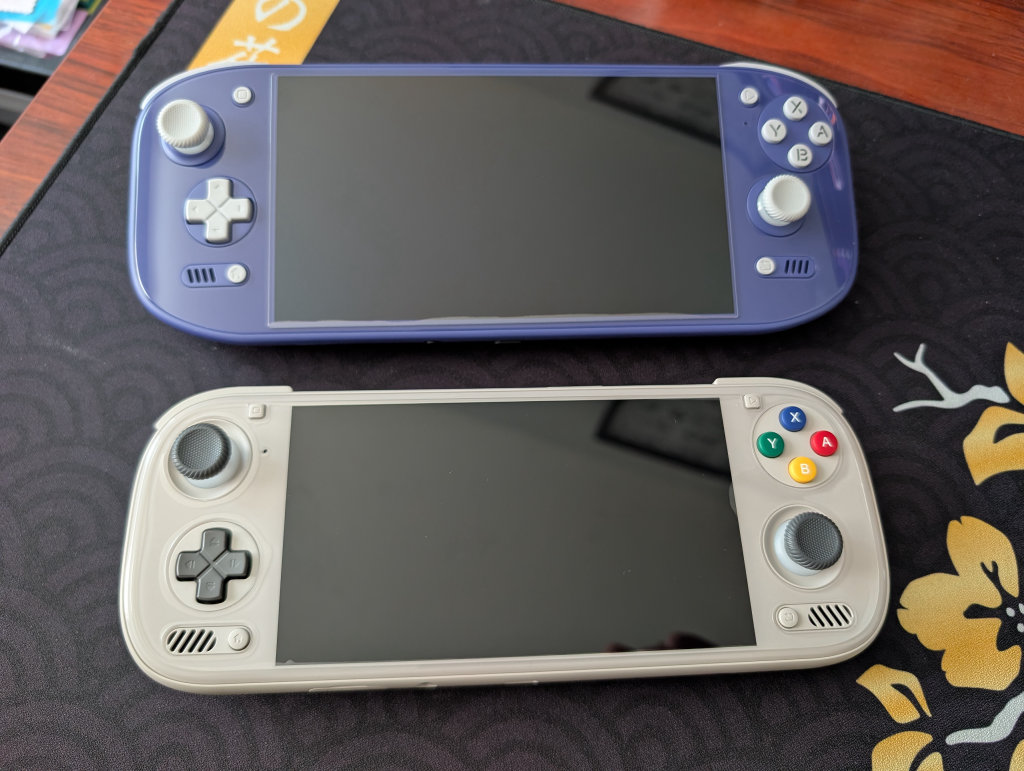
Ergonomic Design: A Worthy Upgrade Down to the Millimeter
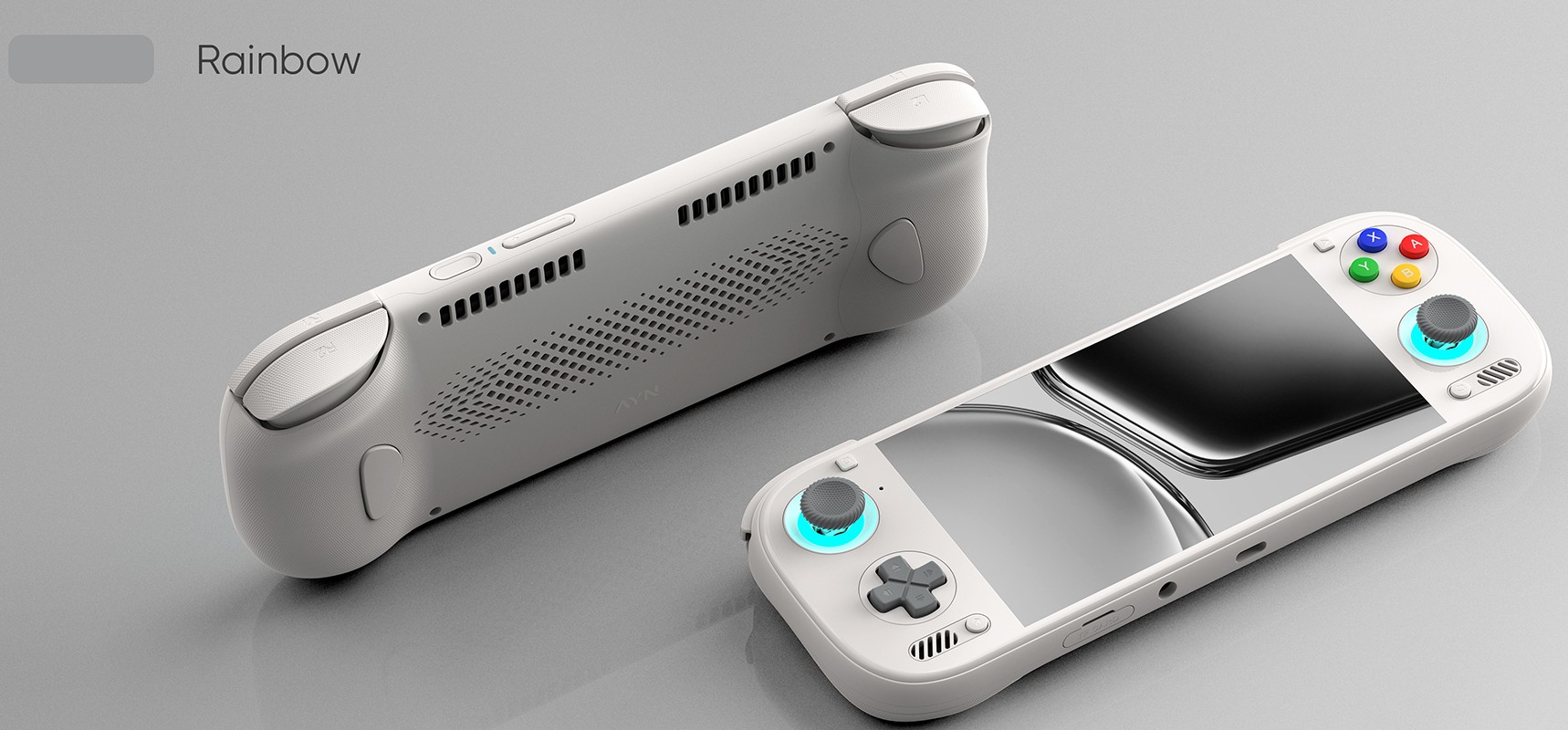
If the internal performance is what makes you marvel, the external visual redesign and interactive components of the Odin 3 will give you an immediate reason to open your wallet. AYN has listened closely to all community feedback over the past two years to forge a flawless chassis.
Borderless OLED Screen: A True Visual Feast
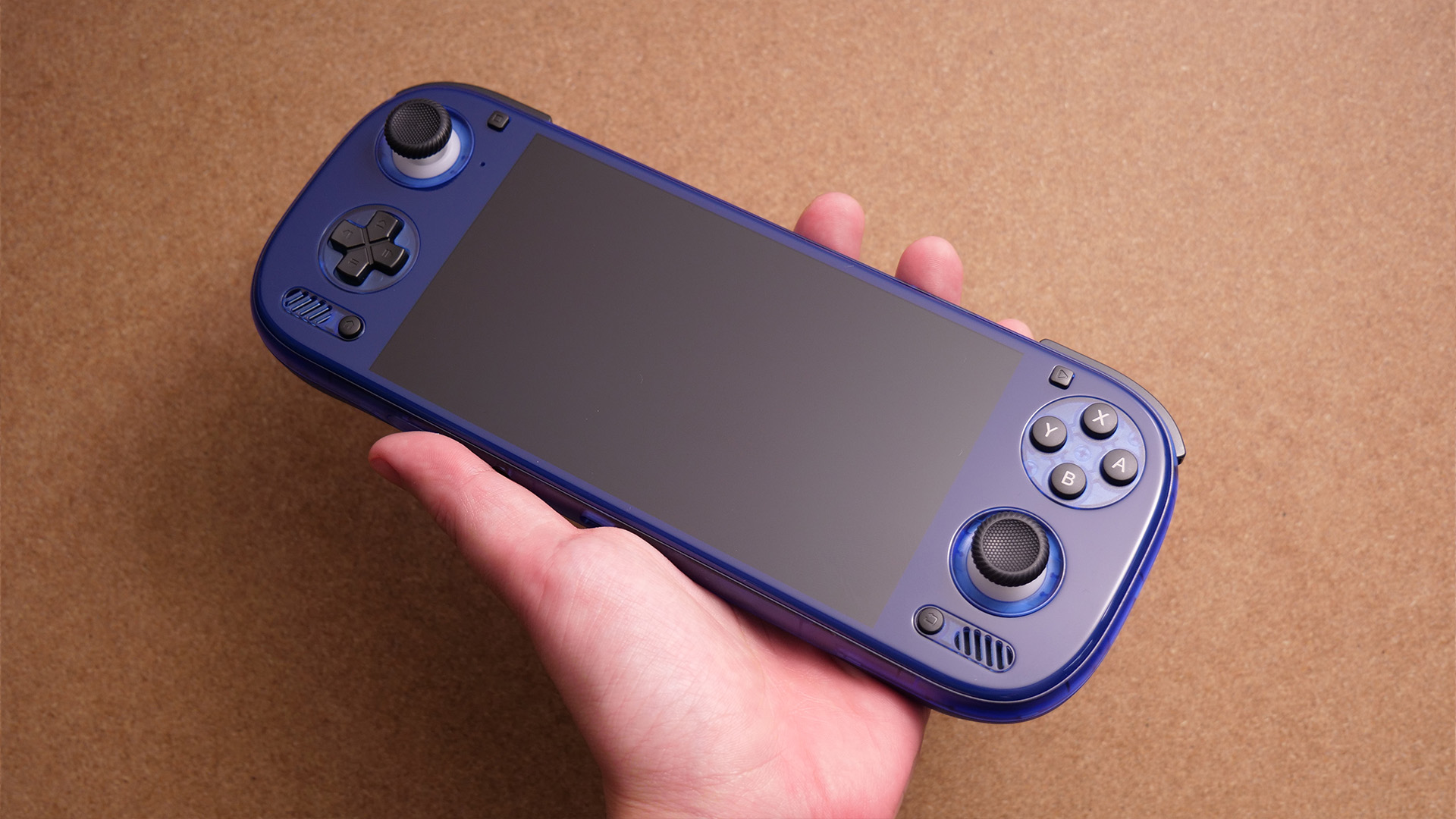
The single biggest weakness of the Odin 2 was its rather thick screen bezels and reliance on a traditional IPS LCD panel. The Odin 3 shatters that limitation by packing a beautiful 1200p resolution OLED display featuring a borderless design.
- Expanded View: The display canvas expands from 6 inches to 6.5 inches while the overall footprint of the machine remains almost unchanged thanks to the ultra-thin bezels.
- Display Quality: The refresh rate has been upgraded to 120Hz, delivering absolute fluidity when navigating menus or playing high-framerate PC titles. The infinite contrast ratio and wide color gamut of the OLED panel turn in-game environments into vivid pieces of digital art.
Joysticks and Buttons: Redefining Precision
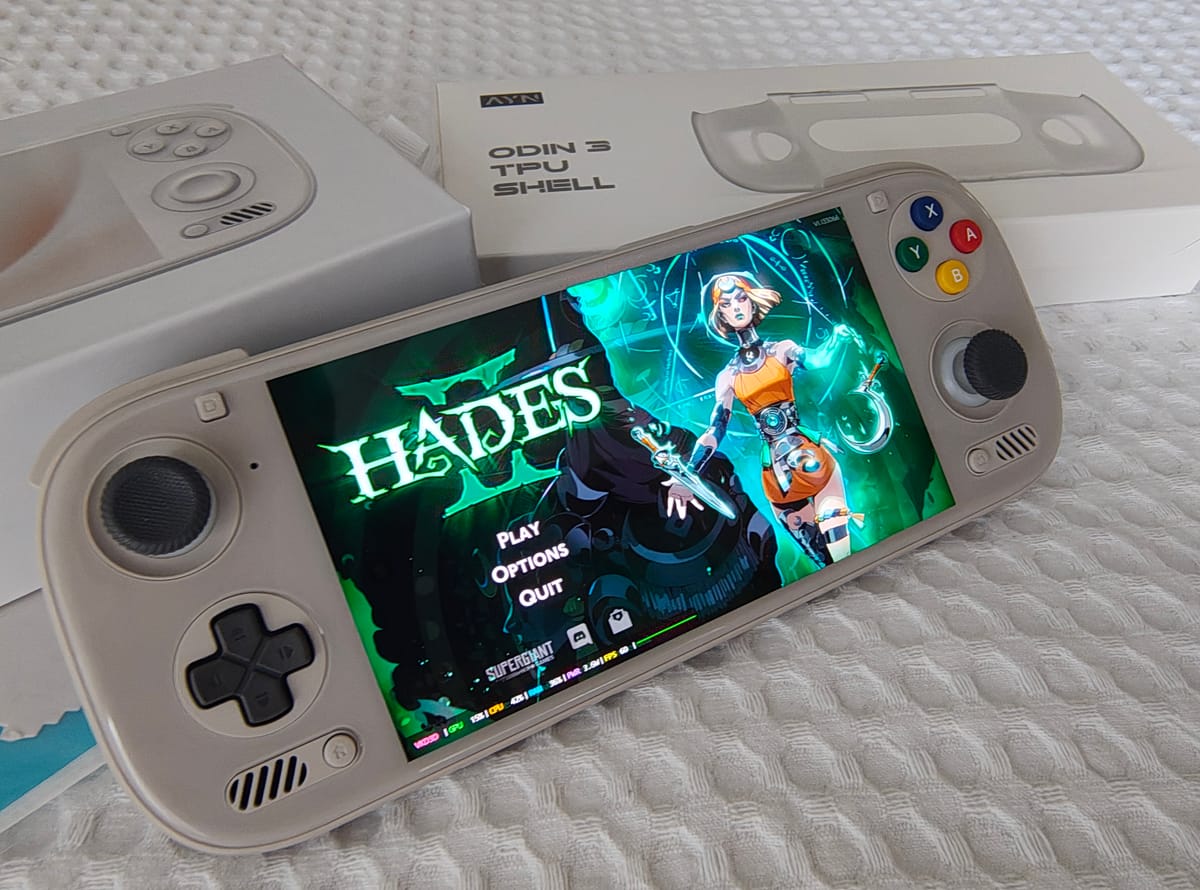
- Gen 3 Hall Effect Analog Sticks: The Odin 3 utilizes the latest generation of magnetic sensor sticks. AYN has improved both the stick height (travel distance) and resistance (tension), delivering a grippy and precise feel no different from a professional Xbox Series X or PlayStation 5 DualSense controller. Stick drift and deadzones are a total absolute zero.
- Mechanical Buttons (Mechanical D-pad & ABXY): Instead of using traditional rubber membranes like the older generation, the Odin 3 completely switches to micro-switch mechanical button arrays. Every single button press yields a crisp, satisfying “click,” coupled with an incredibly short travel distance and instant response. This means everything to fans of fighting games or high-speed platformers.
In-Depth Comparison Table: The Generation Gap
To give Retro Consoles Lab readers the most intuitive look at this technological revolution, here is the hardware and real-world experience breakdown between the two generations:
| Comparison Metric | AYN Odin 2 (Previous Gen) | AYN Odin 3 (New Gen 2026) |
| Display | 6.0-inch, IPS LCD, 60Hz | 6.5-inch, Borderless OLED, 120Hz |
| Resolution | 1080p | 1200p (Noticeably Sharper) |
| GPU Architecture | Older Adreno | Next-Gen GPU (Ray Tracing Support) |
| PS3 / AAA PC Emulation | Stuttering (20-30 FPS), crash-prone | Smooth (50-75 FPS), rock-solid stability |
| Button System | Soft rubber pads, long travel | Clicky Micro-switch mechanical buttons |
| Battery Life (Heavy Gaming) | Around 3.5 – 4 hours | Over 5 hours (Thanks to 3nm chip process) |
| Cooling Fan Noise | Noticeable hiss under Max TDP | Quiet, pleasant lower-frequency acoustics |
Conclusion: Is the Odin 3 Worth Your Upgrade?
After days of intensive testing at our benches, the expert team at Retro Consoles Lab can confidently declare: The AYN Odin 3 is not merely a standard upgrade—it is a revolution that reshapes the entire handheld gaming landscape of 2026.
If you currently own an Odin 2 and are wondering whether it is worth upgrading, the answer is absolutely yes. The evolution from a 60Hz LCD screen to a borderless 120Hz OLED canvas, the premium clicky mechanical button array, and above all, the raw, savage power that can chew through both AAA PC games and PS3 emulation will hand you an entirely fresh experience that the old Odin 2 could simply never touch.
The AYN Odin 3 has officially established a new benchmark for the premium handheld gaming segment: more powerful, more beautiful, packing better battery longevity, and refusing to compromise before any emulation frontier.
Retro Consoles Lab Benchmark Rating: 9.9/10 – The New King of Next-Gen Handhelds.
What upgrade on the AYN Odin 3 impresses you the most? Is it the 120Hz OLED screen or the ability to smoothly emulate AAA PC games that makes you want to drop your cash? Leave your thoughts right in the comments section below at retroconsoleslab.com to join the discussion with fellow handheld tech enthusiasts!