
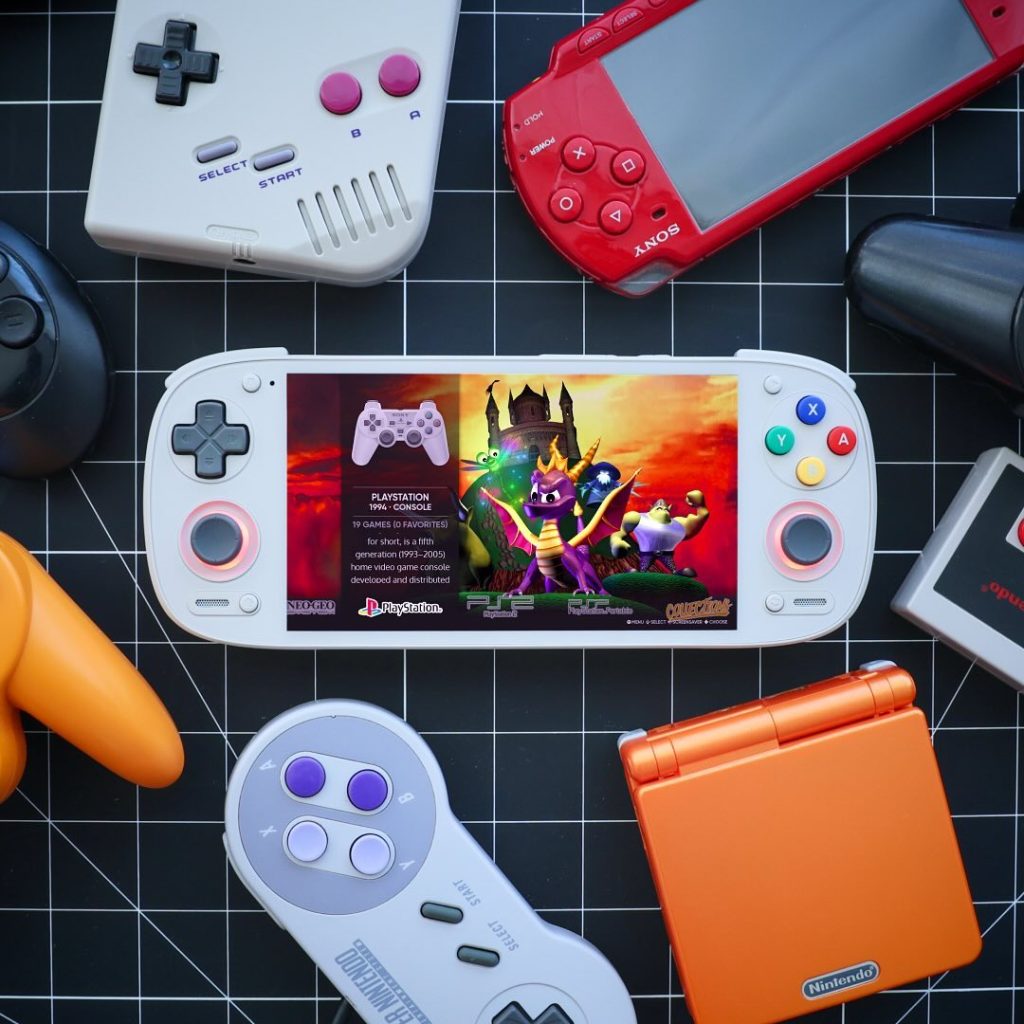
The handheld emulation market moves at a breakneck pace. In just a year or two, a device once hailed as a “performance beast” can easily find itself pushed into the shadows of obsolescence, making way for younger successors boasting faster chips and larger screens.
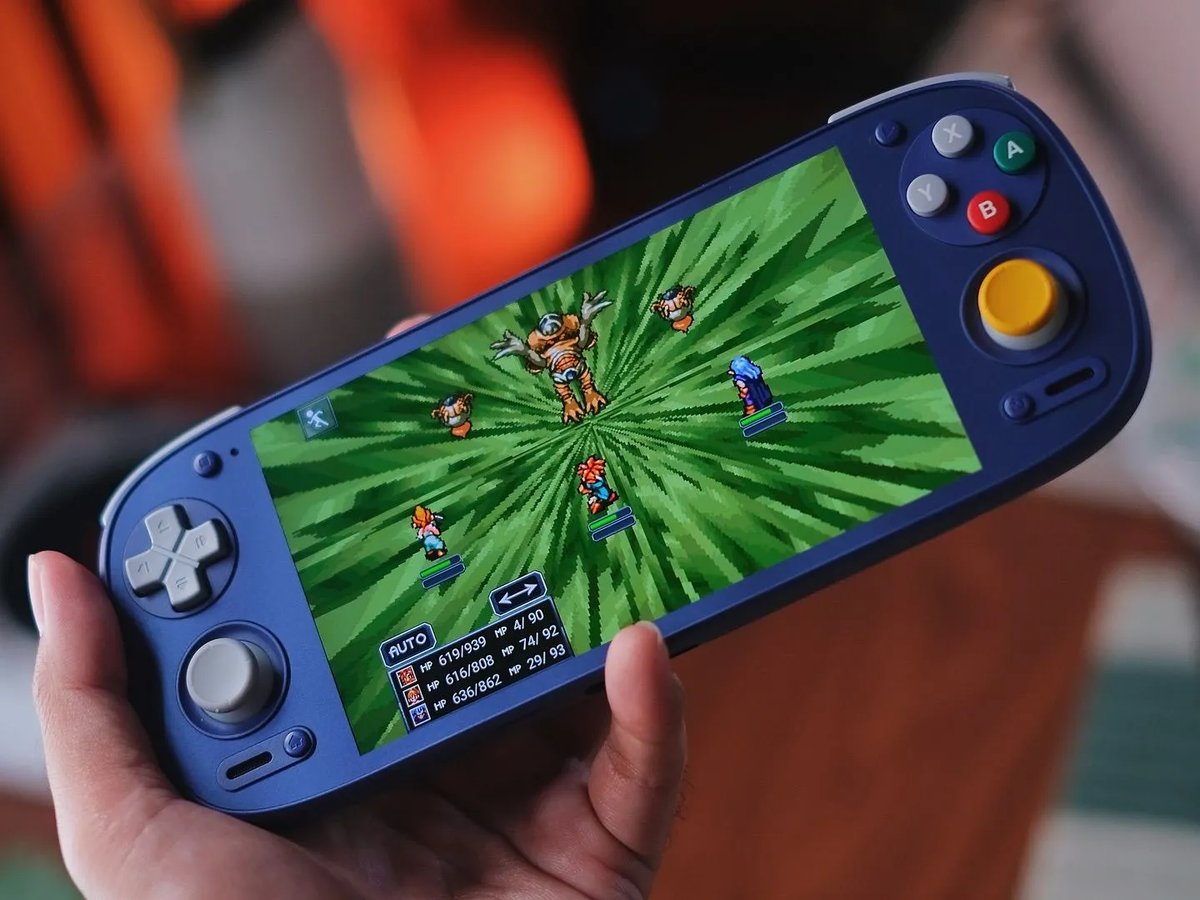
Launched around late 2024 to early 2025, the Retroid Pocket 5 (RP5) initially took the community by storm. It made headlines by pairing a seasoned Snapdragon 865 processor with GoRetroid’s very first 5.5-inch AMOLED display. Now that we have crossed into 2026, and its direct successor—the Retroid Pocket 6—has officially claimed the spotlight, a crucial question arises: Is the RP5 still a smart buy today? Or has it defaulted into an underpowered relic of yesteryear?
Let’s look back and evaluate the product lifecycle of the Retroid Pocket 5 from a pure value-for-money perspective in 2026.
The “Bargain Factor” in 2026
At launch, the RP5 carried a retail price of roughly $219 (excluding shipping)—a fair price tag, but one that gave buyers pause when compared to cheap x86 refurbished options or older alternatives.
However, the narrative in 2026 has shifted entirely:
- Deep New Inventory Discounts: To clear out stock for newer product lines, GoRetroid and third-party distributors have dropped the price of a brand-new RP5 into the $140 – $160 price bracket.
- A Thriving Used Market: You can easily track down a mint-condition, pre-owned RP5 on community marketplaces for a mere $100 – $120 (around 2.5 to 3 million VNĐ).
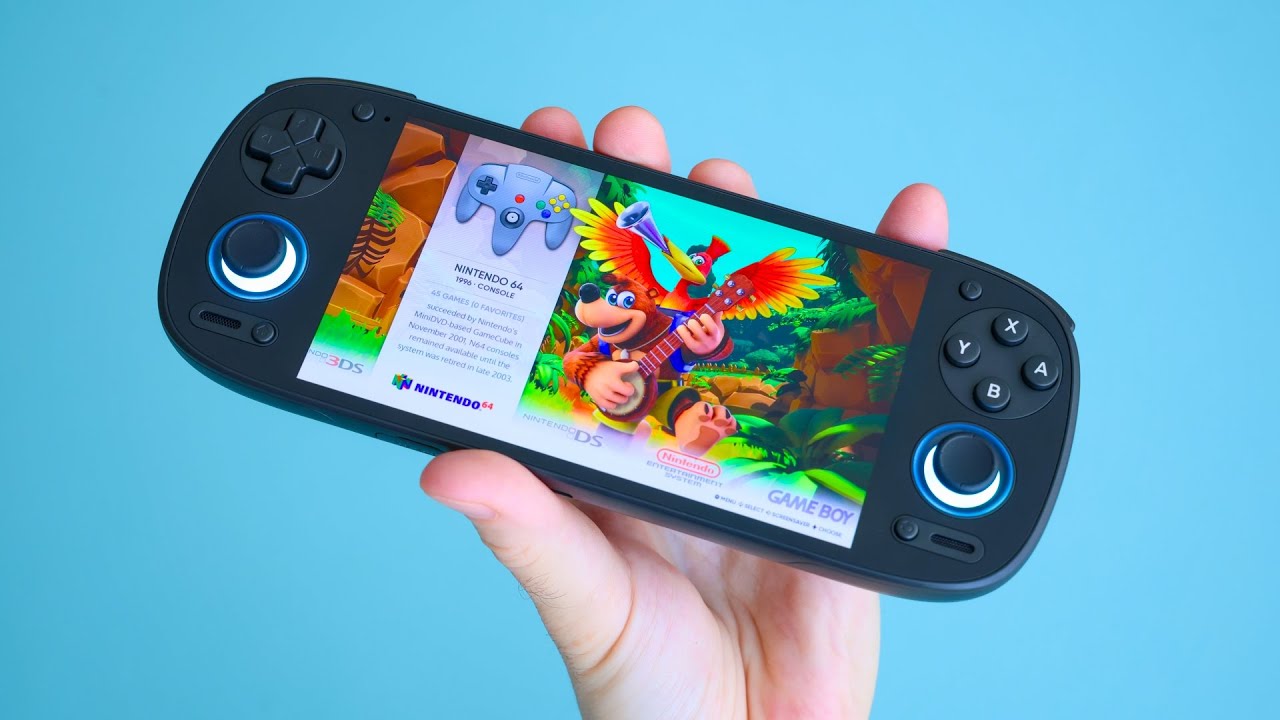
At this price point, the RP5 slides comfortably into the territory traditionally occupied by lower-tier Linux handhelds or older, weaker chips (like the Anbernic RG556 or the older RP4 Pro). Boasting a gorgeous 1080p AMOLED display and modern, mature ergonomics, its current pricing elevates the RP5 into an undisputed budget champion with virtually zero competition in its weight class.
The Snapdragon 865 “Veteran” Legacy: What Can It Emulate?
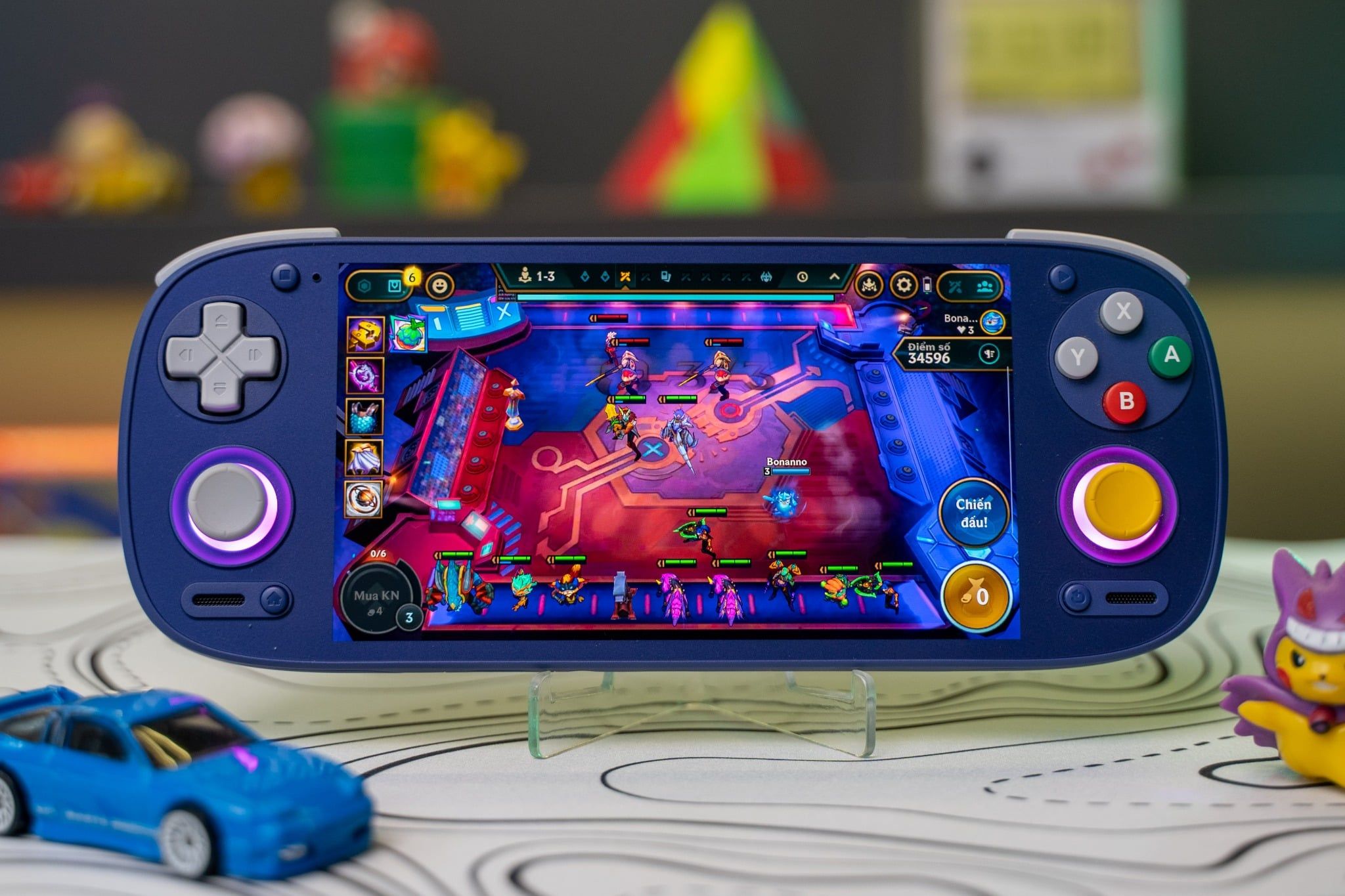
The beating heart of the Retroid Pocket 5 is the Snapdragon 865. In 2020, this was a flagship smartphone chip; by 2025, it became a mid-range standard; and in 2026, it stands as a seasoned veteran benefiting from years of relentless community optimization.
PSP and Dreamcast: Absolute Destruction
If your primary goal is to play retro catalogs from the PS1 and N64 eras down, including the PSP and Dreamcast, running them on the RP5 feels like driving an F1 race car on a quiet country backroad.
- Performance: Locked at a flawless 60 FPS without a second thought.
- Visuals: You can confidently crank the rendering resolution up to 4x or 5x within PPSSPP. The jagged edges of legendary titles like God of War: Ghost of Sparta are completely smoothed out, looking absolutely stunning on the 1080p panel.
PlayStation 2 and GameCube: Software Maturity at Its Peak
This is where the long-term value of the RP5 truly shines. Thanks to its Adreno 650 GPU architecture, the RP5 enjoys comprehensive support from the open-source Mesa Turnip custom graphics drivers. Paired with the final, highly optimized legacy builds of NetherSX2 and Dolphin:
- GameCube/Wii: Glides through 95% of the library at a crisp 2x resolution. Hardware punishers like Super Mario Sunshine or The Legend of Zelda: The Wind Waker run flawlessly from start to finish.
- PlayStation 2: Intense titles that previously choked the RP5 at launch due to unoptimized software can now be played with great stability at 2x Native Resolution (720p). Epic boss battles in God of War II or high-speed crashes in Burnout 3 rarely suffer from severe frame drops anymore.
- Emulation Takeaway: In 2026, the RP5 no longer demands the tedious, painful setting-by-setting tweaking it used to require. Just install a proper Turnip driver, boot your game, and enjoy PS2 and GameCube titles rendered beautifully beyond their original hardware capabilities.
Modern Android Games: Is It Losing Steam?
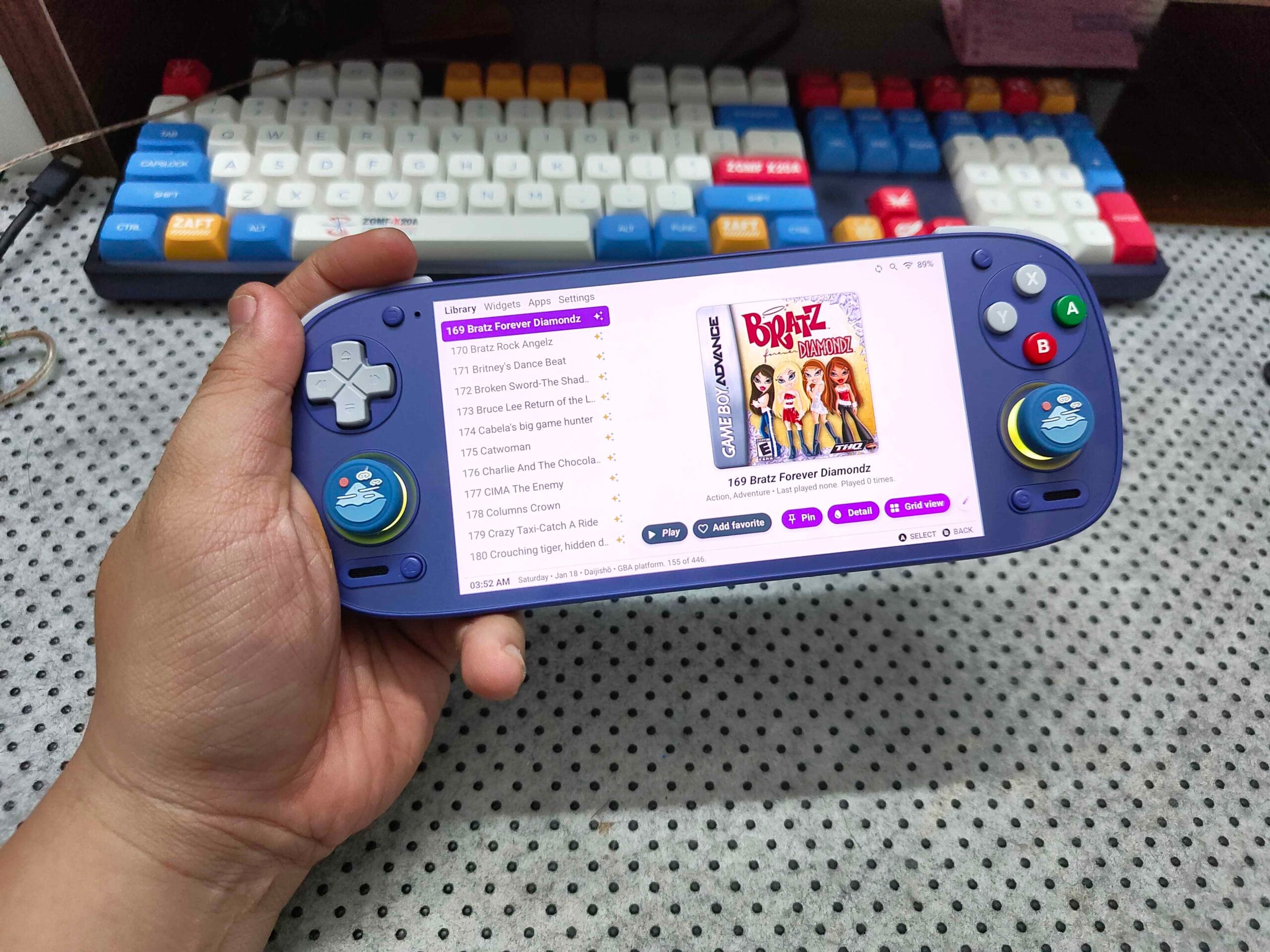
This is the definitive boundary separating a six-year-old flagship architecture (Snapdragon 865) from the modern silicon of 2026. As native Android titles grow visually complex and heavily reliant on advanced 3D rendering pipelines, the RP5 begins to show its age.
Light to Medium Titles (Arena of Valor, Wild Rift, Dead Cells): Runs perfectly at max settings, with the 90Hz (or 60Hz depending on the game) touch refresh rate feeling incredibly snappy.
Heavy Open-World Titles (Genshin Impact, Honkai: Star Rail, Zenless Zone Zero):
- The Reality: The hardware will struggle if you try to force High or Maximum graphical presets. You will experience thermal build-up and aggressive stuttering within 15 minutes.
- The Solution: To secure a stable, playable 60 FPS, you are forced to drop graphical settings down to Medium or Low, and turn off demanding post-processing effects like Motion Blur.
If your primary objective is to try-hard the latest, most demanding open-world Android releases of 2026, the RP5 is no longer your best bet. However, if you view native Android gaming as a secondary bonus, its performance remains entirely acceptable.
Lifecycle Value Comparison
| Criterion | At Launch (2024 – 2025) | Present Day (2026) | Competitive Standing |
| Price Point | ~$219 (Slightly premium) | ~$140 New / ~$110 Used | Dominates the budget/value bracket |
| PS2 Emulation | Mostly smooth; required deep tweaking | Highly stable thanks to software maturity | Completely outperforms similarly priced Linux alternatives |
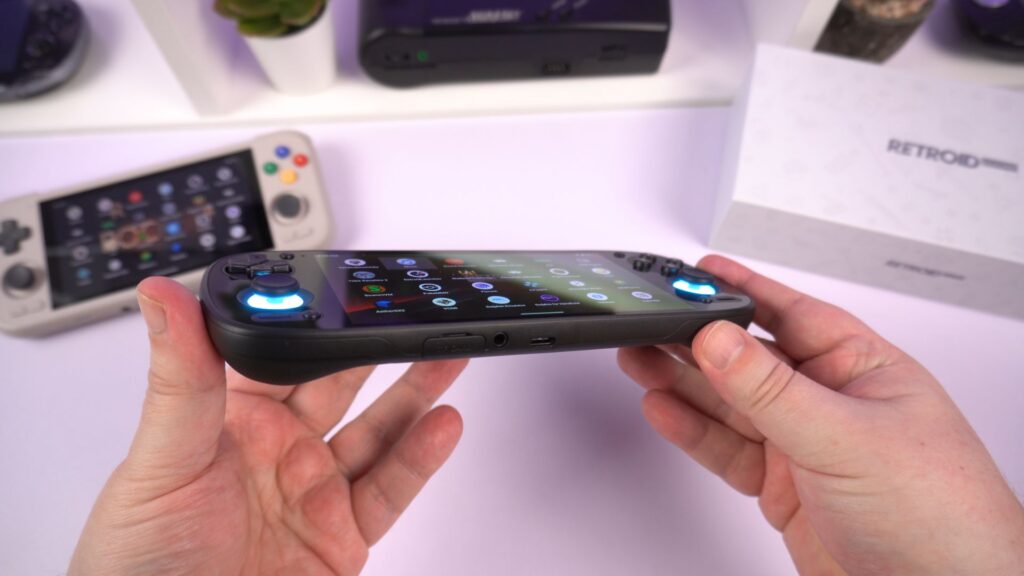
| Display Panel | 5.5″ AMOLED (A luxury tier addition) | Still its greatest selling point | Obliterates the washed-out LCDs of its current price competitors |
| Android Gaming | Handled almost everything at High | Struggling; requires Medium/Low drops | Noticeably falls behind modern Gen 3 chipsets |
Verdict: Is the Retroid Pocket 5 Still Worth Buying?
The short answer: Absolutely, provided you know exactly what you are buying it for.
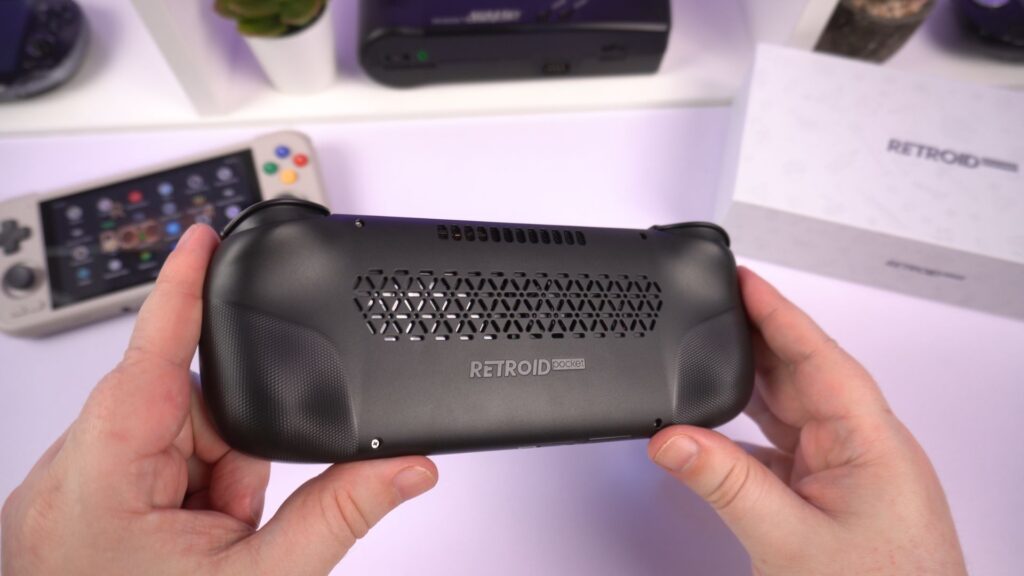
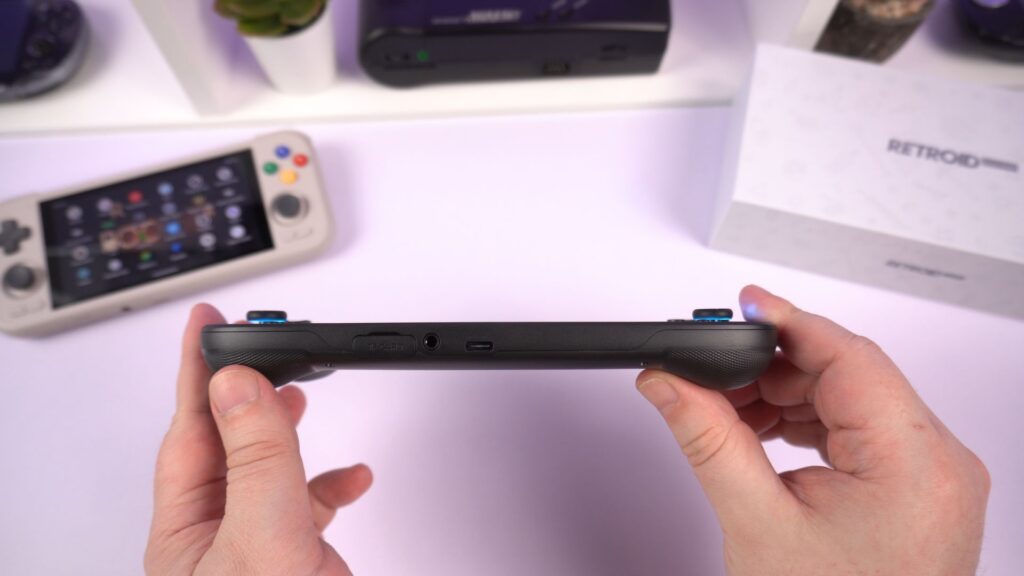
While it no longer commands performance bragging rights next to its younger sibling, the Retroid Pocket 6, or premium flagship handhelds, the Retroid Pocket 5 in 2026 has successfully transitioned into the “King of Practical Value.”
It isn’t built for hardware chasers who want to emulate heavy Nintendo Switch games or max out demanding modern Android titles. Instead, the RP5 was made for smart gamers—those who want to spend minimal cash while walking away with a premium-feeling device, an exquisite AMOLED display, and the hardware capability to effortlessly conquer the vast libraries of the PS2, GameCube, and PSP eras. Time and deep price drops have effectively turned the RP5’s aging specs into an irresistible bargain.