
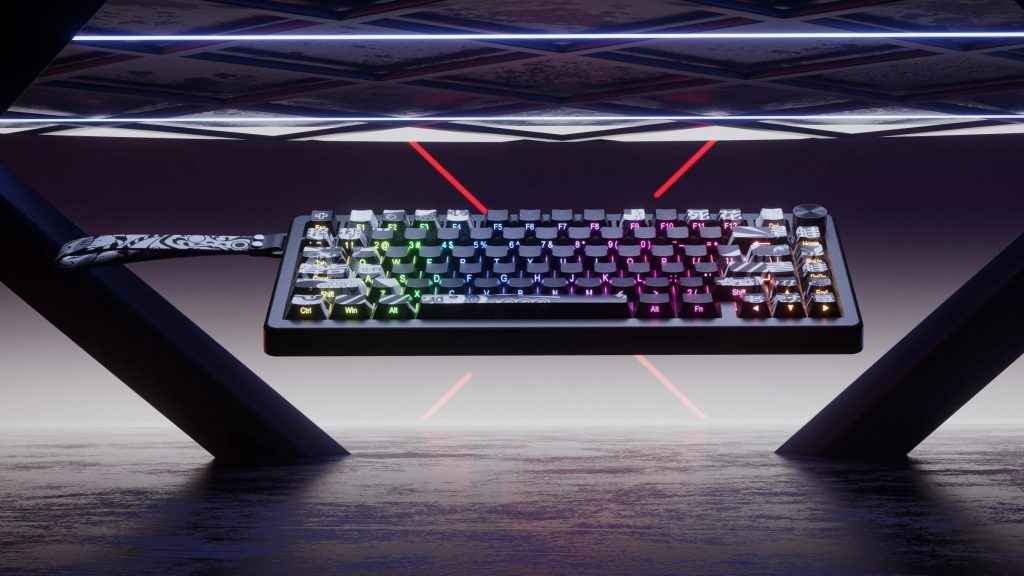
In the past, the world of high-end custom mechanical keyboards felt like an exclusive, gatekept club dominated by multi-hundred—and sometimes multi-thousand—dollar heavyweights. If you lusted after a thick, solid CNC aluminum chassis, a hefty brass internal weight, and that signature acoustic marble-like pop, you were forced to endure eye-watering price tags and agonizingly long Group Buy wait times that stretched from one year to the next.
The arrival of the Qwerty Key ecosystem (widely popularized through iterations like the QK65, QK75, QK100, and beyond) by QwertyKeys completely rewrote the rulebook. They entered the market with a bold, uncompromising manifesto: a high-end typing experience should not require a luxury premium tax. Here is our comprehensive, deeply analytical review after extensive daily testing to determine if Qwerty Key truly deserves its title as the ultimate king of the premium budget tier.
Unboxing & Build Quality: Defying the Price Bracket
The premium illusion begins the moment the shipping box arrives at your doorstep. QwertyKeys does not skim on the packaging budget to cut hardware costs; instead, they establish a remarkably sophisticated unboxing standard.
The Carrying Case and Tooling: Rather than a cheap, easily crushed cardboard box, the keyboard arrives nestled securely inside a heavy-duty, fashionable grey canvas carrying case with a smooth-gliding zipper. Unzipping it feels like a modder’s paradise: you are greeted with a color-matched coiled Type-C cable, a premium switch/keycap puller combo tool, a set of decorative stickers, extra rubber feet, and a generous assortment of spare screws and silicone gaskets.
Hefty, Structural Mass: The most shocking sensation upon lifting the board out of its custom foam insert is the sheer physical density. Regardless of whether you opt for a compact 65%, a balanced 75%, or a massive 100% full-size layout, a Qwerty Key board feels like an absolute tank, weighing anywhere from 1.5kg to well over 2.2kg when fully built with switches and keycaps.
Exquisite Backplate Engineering
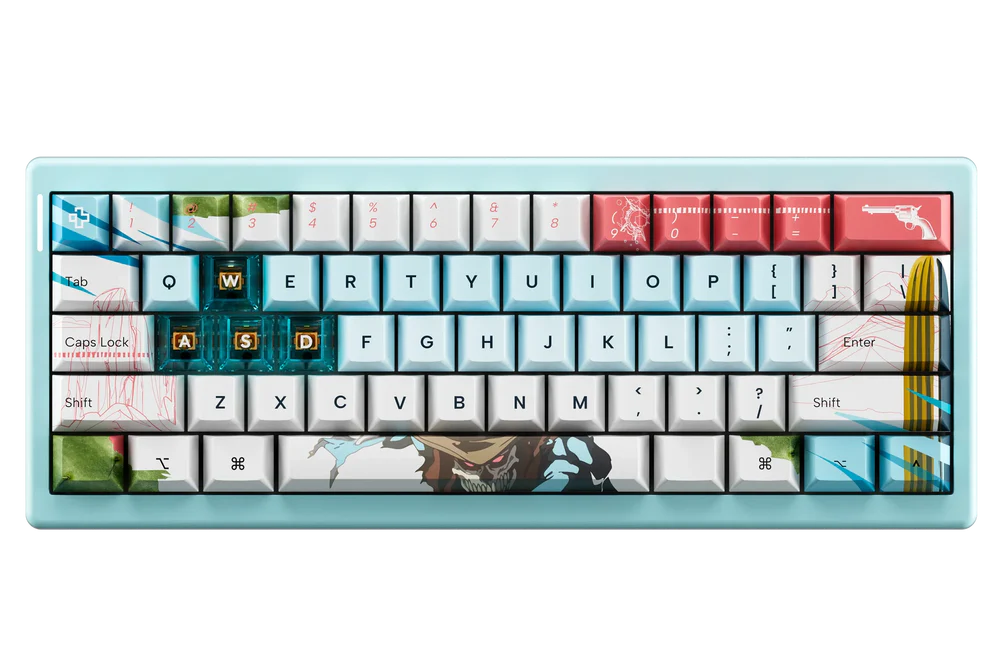
The aluminum enclosure is precision CNC-milled from high-grade alloy panels. The exterior surface treatment is top-tier, offering a choice between deep, uniformly textured Anodized finishes or silk-smooth Electrophoretic (E-coatings) such as E-white and E-cream. The finish is remarkably consistent across the entire chassis, showing zero signs of anodization streaks, micro-sanding grain, or sharp edges along the smooth chamfered corners.
The true showstopper, however, resides on the underbelly of the board: a massive, beautifully executed external weight. QwertyKeys offers a highly customizable menu of backplates, ranging from sandblasted aluminum and brushed brass to mirror-polished PVD stainless steel (available in stunning Chroma, Dusk, and Gold variations). These plates do more than just lower the structural resonance of the case and add physical weight; they transform the keyboard into a clean piece of minimalist industrial art whenever you flip the board over.
The Typing Experience: High-End Acoustic Physics
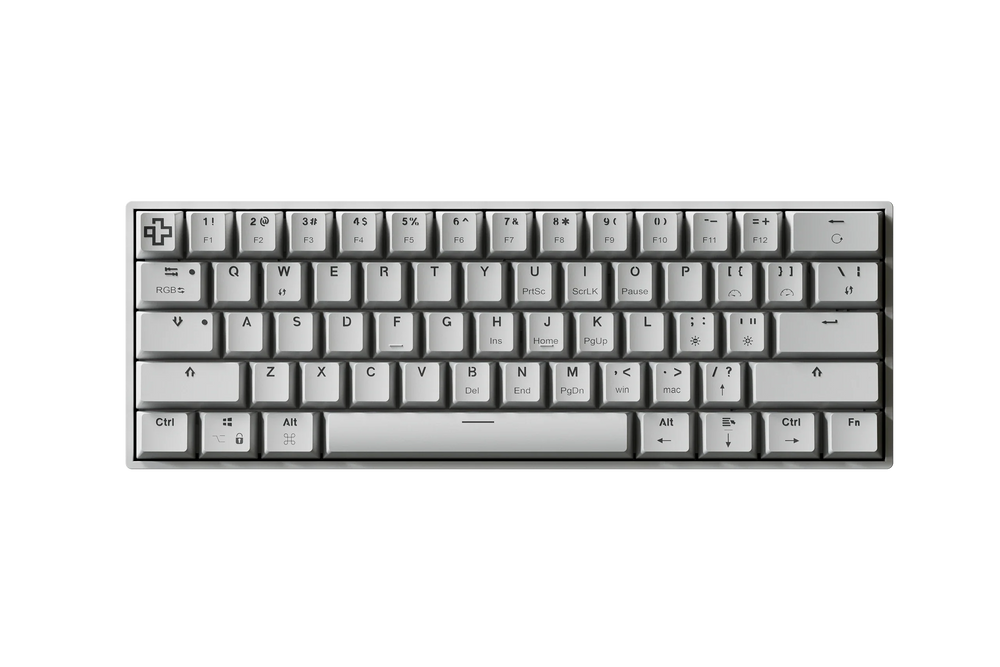
If the aluminum frame and polished PVD weights nail the visual aesthetic, the internal structural architecture is what injects a soul into the Qwerty Key, obliterating mainstream pre-built plastic keyboards and generic gaming options alike.
Advanced Gasket Mounting
The Qwerty Key series utilizes an evolved iteration of the classic Gasket Mount design, utilizing specialized “Silicone Socks” or “Silicone Strips” that slide over custom-milled tabs on the switch plate. This design isolates the entire internal plate-and-PCB assembly, preventing it from making any direct contact with the rigid aluminum walls of the upper and lower case.
When you type heavily, the downward force generated by your fingers is absorbed and evenly dissipated by these soft silicone dampeners. This structural flex provides a beautifully soft, cushioned bottom-out experience. It dramatically reduces finger fatigue and joint stress, allowing you to breeze through grueling hours of programming or content creation in absolute comfort.
Acoustic Magic: Tuning From Deep “Thocks” to Crisp “Clacks”
Thanks to an intelligently engineered internal acoustics cavity and precise physical dimensions, the Qwerty Key allows users to dynamically sculpt their preferred sound signature simply by choosing their plate material:
Polycarbonate (PC) or POM Plates: Paired with a non-flex-cut PCB and the full suite of included Poron case foam and IXPE switch pads, the board produces a deep, creamy, and heavily compressed Thocky profile. The sound mimics the rich, marble-like popping of heavy rain falling onto solid wood.
FR4 or Aluminum Plates: When configured with fewer foam layers (a traditional clacky or no-foam setup), the acoustic signature transitions into a bright, snappy, and sharply resonant Clack. This yields highly responsive auditory feedback that appeals directly to purists who love a clean, crisp mechanical snap with every keystroke.
Crucially, the dreaded metallic case pinging—the absolute bane of budget aluminum keyboards—is entirely nonexistent here, thanks to acoustic isolation channels precision-milled into the interior floor of the case.
Keycaps & Aesthetics: Sophisticated Minimalism
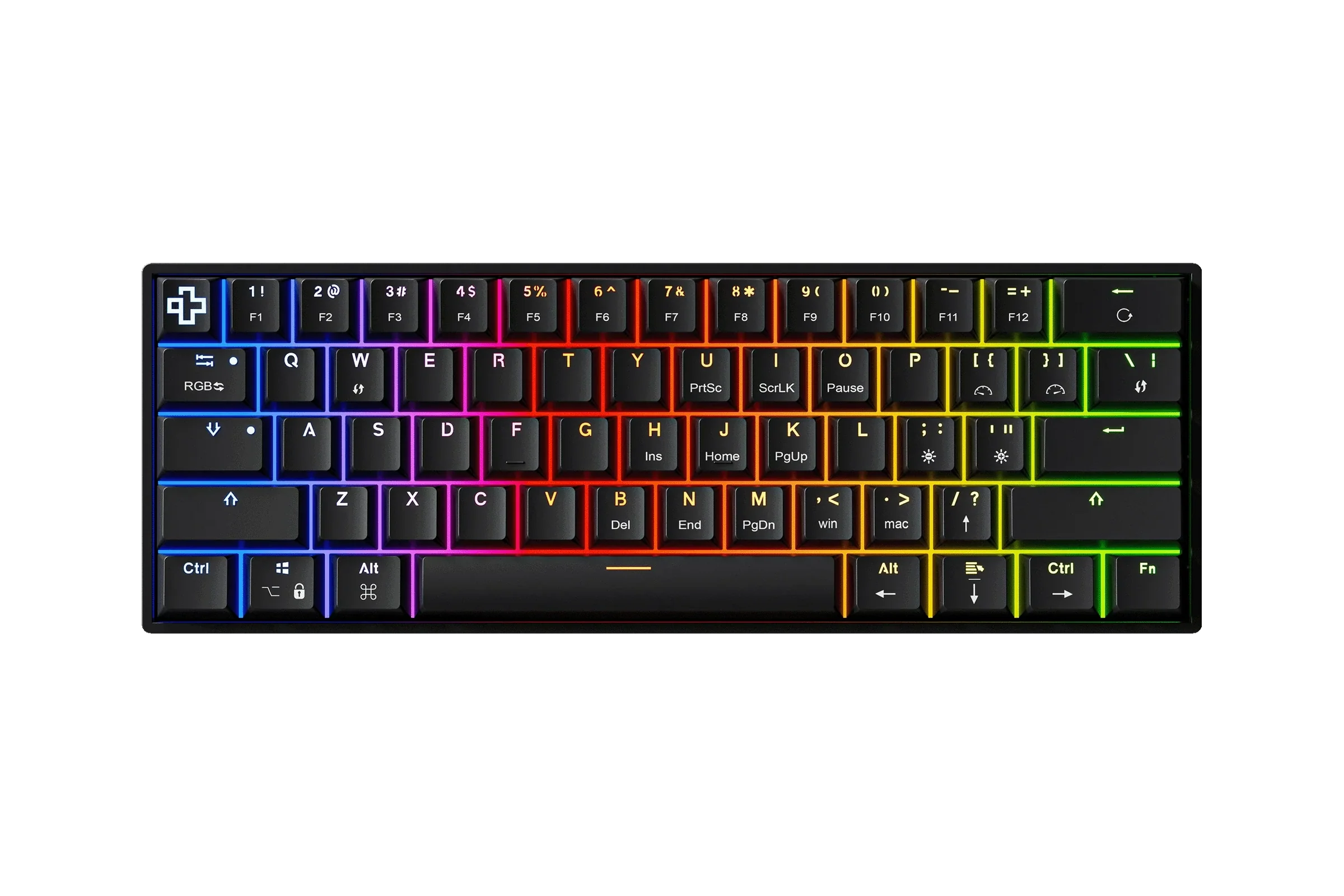
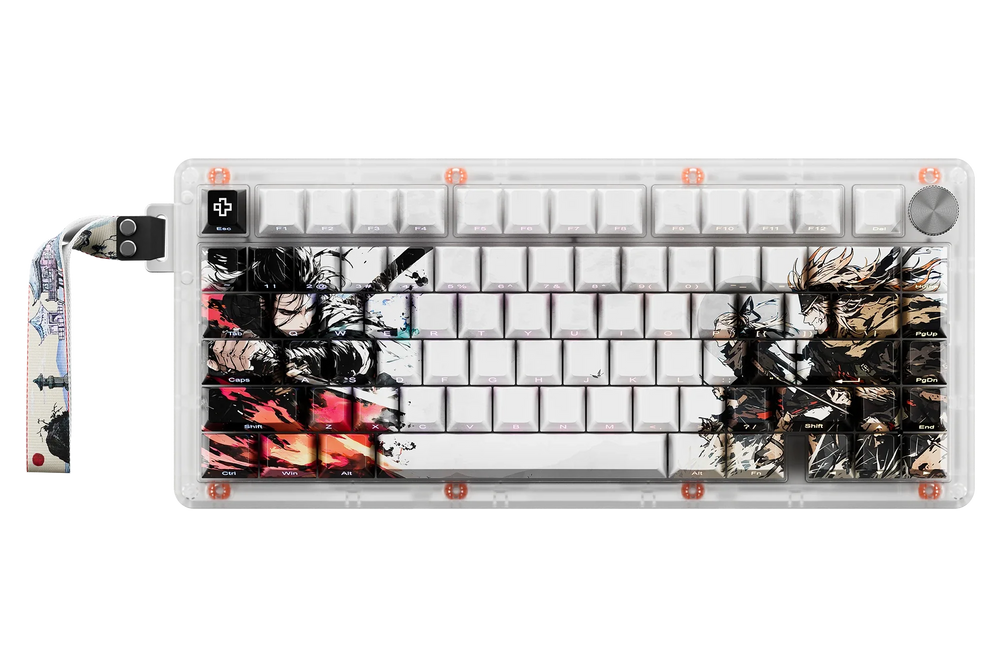
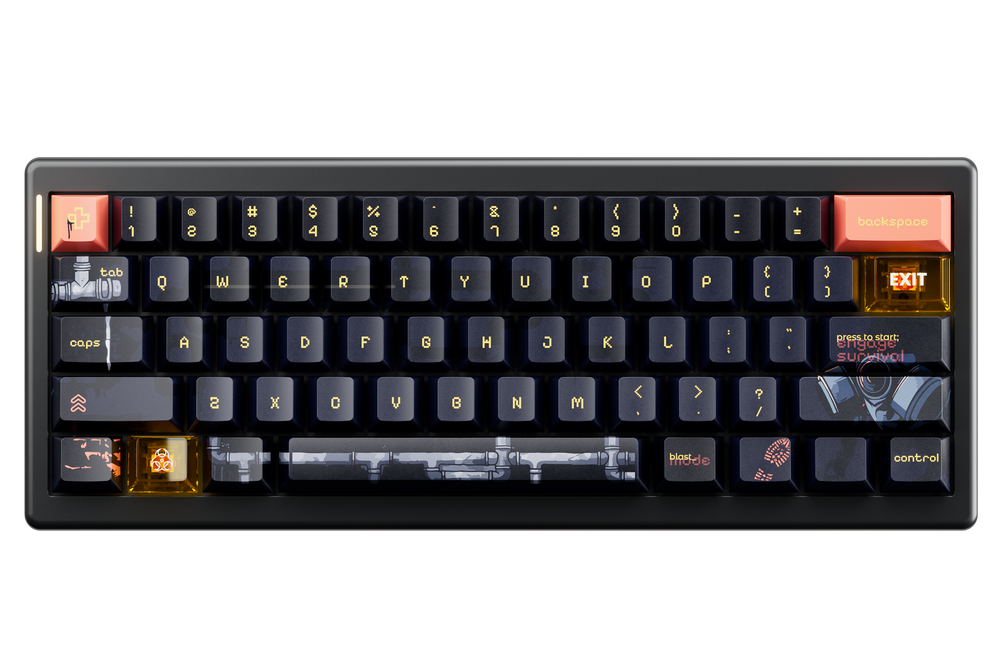
The overarching visual philosophy of the Qwerty Key line is rooted firmly in clean minimalism. The face of the board is exceptionally clean, completely abandoning aggressive branding, tacky logos, or obtrusive, blinding RGB diffusion strips that clutter modern desk setups. The bezels are uniformly slim on all four sides, creating a highly modern, tight visual footprint.
Bundle-Tier Keycap Quality: If you select the bundled configuration that includes proprietary keycaps, you receive a thick 1.5mm PBT set utilizing premium Dye-Sublimation or Double-Shot injection molding in a classic Cherry profile. The legends are tack-sharp, featuring perfect alignment and zero micro-blurring along thin fonts. The surface boasts a subtle, dry matte texture that provides excellent finger grip while offering class-leading resistance against skin oil build-up and unsightly key shine over extended months of continuous deployment.
Harmonious Colorways: The bundled color pallets are curated with incredible artistic restraint, offering sophisticated, muted tones like rich milk creams, nardo greys, and deep space silvers. The keycaps blend seamlessly with the anodized or e-coated case colorways, transforming the keyboard from a simple data-entry tool into a premium interior accent for your workspace.
Connectivity & Modding: Zero Compromises on Modern Features
Where the Qwerty Key truly distances itself from vintage, hyper-expensive custom keyboards is its refusal to sacrifice modern convenience at the altar of enthusiast feel.
Flawless Tri-Mode Connectivity: The board features three robust connection methods: a wired Type-C connection, an ultra-low-latency 2.4GHz wireless connection via an included USB dongle (perfectly fast enough for competitive FPS or high-speed rhythm games), and a multi-device Bluetooth 5.0 module that pairs with up to three independent devices on the fly. Massive, high-density lithium batteries are hidden under the bottom weight, delivering multiple weeks of continuous wireless operation on a single charge.
South-Facing Hotswap PCB: The implementation of a south-facing circuit board guarantees 100% compatibility with premium aftermarket Cherry-profile keycaps, completely eliminating structural interference with switch housings. High-grade Kailh or Gateron hotswap sockets allow you to effortlessly plug and play any 3-pin or 5-pin mechanical switch on the market without ever heating up a soldering iron.
Comprehensive VIA/VIAL Support: This is a non-negotiable benchmark for serious keyboard enthusiasts. Rather than forcing you to download resource-heavy, sketchy background software, the Qwerty Key links directly to VIA via a standard web browser interface. Users can remap any key, program intricate multi-step macro sequences, and configure deep functional layout layers natively. All modifications are flashed directly to the board’s onboard microcontroller, preserving your settings across different computers.
Verdict: Pros & Cons
Pros
- Unrivaled Price-to-Performance Ratio: Delivers the exact premium CNC aluminum finish and dialed-in acoustics of a $400 custom board at a highly accessible price point.
- Elite Gasket Mechanics: Soft, bouncy typing profile that is highly forgiving on wrists and fingers over marathon sessions.
- Acoustically Isolated Cavity: Completely clean sound profile free of hollow echoes or annoying metallic chassis pinging.
- Cutting-Edge Feature Suite: Reliable tri-mode wireless, south-facing hotswap sockets, and robust VIA customization support.
- Generous Accessory Bundle: The inclusion of a rigid, high-quality carrying case and proper tools ensures beginners don’t have to purchase third-party modding kits.
Cons
- Significant Physical Mass: While the 2kg+ weight provides incredible stability on a desk, it acts as a major drawback if you are a digital nomad or looking for a lightweight, travel-friendly companion to carry to coffee shops daily.
- Slight VIA Entry Barrier: Although VIA is incredibly powerful, certain newly released iterations may require you to manually load a custom JSON configuration file before the web app recognizes the layout, which can cause minor initial confusion for newcomers entering the custom keyboard hobby.
Final Thoughts
The Qwerty Key ecosystem is more than just an exceptional mechanical keyboard line; it is a beautifully executed disruption that successfully democratized the once gatekept world of high-end custom hardware. If you are exhausted by the hollow, flexible plastic feel and rattling stabilizers of mainstream pre-built keyboards and are searching for a dense, premium typing tool that turns every single keystroke into an acoustic joy, the Qwerty Key is the absolute best passport into the enthusiast world available today.